Skip to content

Architecture & Engineering Firm IT Services: Supporting Collaboration, Security, & Project Delivery
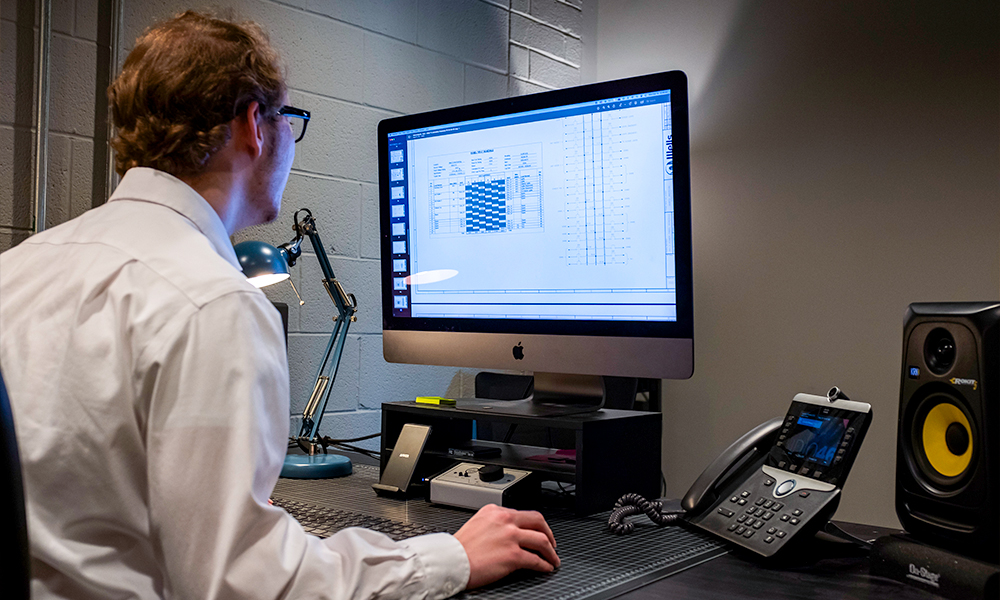
Architecture and engineering firms depend on technology throughout every phase of a project. Design teams, engineers, project managers, field personnel, and administrative staff all rely on specialized software, large files, communication platforms, and secure access to information to keep projects moving forward.
As projects become more complex and teams collaborate across multiple locations, technology plays an increasingly important role in maintaining productivity, meeting deadlines, and supporting client expectations.
Technology issues can affect far more than individual users. Delays in accessing project files, software performance problems, cybersecurity incidents, and communication disruptions can impact project schedules, team collaboration, and client relationships.
Organizations that invest in reliable IT support and strategic technology planning are often better positioned to support growth and maintain operational efficiency.
Technology Is Central to Project Delivery
Architecture and engineering firms rely on a wide range of technology systems every day.
Examples include:
- Computer-aided design (CAD) software
- Building Information Modeling (BIM) platforms
- Project management applications
- Document management systems
- Microsoft 365
- Cloud collaboration tools
- Financial and accounting software
- Communication platforms
These systems support design, planning, documentation, communication, and project coordination.
Reliable technology helps ensure employees have access to the information they need when they need it.
Large File Management Creates Unique Challenges
Unlike many businesses, architecture and engineering firms frequently work with extremely large files.
Examples include:
- CAD drawings
- BIM models
- Renderings
- Survey data
- Engineering plans
- Construction documents
Managing these files requires careful attention to:
- Storage infrastructure
- Network performance
- Backup procedures
- Remote access capabilities
- File sharing practices
Slow access to project files can affect productivity across the entire organization.
Collaboration Is More Important Than Ever
Modern projects often involve collaboration among:
- Architects
- Engineers
- Consultants
- Contractors
- Clients
- Project managers
Team members may be working from different offices, job sites, or remote locations.
Technology solutions should support:
- Secure file sharing
- Version control
- Project communication
- Real-time collaboration
- Document accessibility
Organizations that establish effective collaboration tools often experience fewer communication challenges and project delays.
Contact us today for a FREE Consultation!
Contact us today for a FREE Consultation!
Cybersecurity Protects Valuable Information
Architecture and engineering firms manage information that may be valuable to cybercriminals.
Examples include:
- Project documentation
- Client information
- Financial records
- Proprietary designs
- Contract information
- Employee records
Common cybersecurity threats include:
- Phishing attacks
- Ransomware
- Credential theft
- Business email compromise
- Unauthorized access attempts
Strong cybersecurity controls help protect both the organization and its clients.
Microsoft 365 Security Deserves Attention
Many architecture and engineering firms rely heavily on Microsoft 365 for communication and collaboration.
Organizations should regularly review:
- Multi-factor authentication
- User permissions
- Sharing settings
- Administrative access
- Security alerts
- Data protection policies
Proper configuration helps improve security without affecting productivity.
Remote Access Must Be Reliable
Project teams often need access to information while working outside the office.
This may include:
- Job sites
- Client meetings
- Home offices
- Satellite locations
Reliable remote access solutions help employees stay productive regardless of location.
Organizations should evaluate:
- VPN performance
- Cloud access
- Mobile device security
- Authentication requirements
- Remote support capabilities
A strong remote access strategy supports both flexibility and security.
Business Continuity Planning Supports Project Schedules
Project deadlines do not stop because technology systems become unavailable.
Questions worth considering include:
- How quickly can project files be restored?
- What happens if ransomware affects critical systems?
- How would employees continue working during an outage?
- When were backups last tested?
Business continuity planning helps organizations prepare for disruptions and reduce downtime.
Preparation can help minimize project delays and protect client relationships.
Backup and Disaster Recovery Are Essential
Project files often represent months of work and collaboration.
Organizations should review:
- Backup schedules
- Recovery procedures
- Data retention policies
- Recovery testing
- Storage strategies
A backup strategy should support both operational needs and long-term project requirements.
Regular testing helps verify that recovery processes work as expected.
Network Performance Affects Productivity
Large design files and cloud-based collaboration tools place significant demands on network infrastructure.
Performance issues can affect:
- File transfers
- Cloud applications
- Video conferencing
- Project collaboration
- Remote access
Organizations should periodically evaluate their networks to ensure they support current and future requirements.
Hardware Lifecycle Planning Matters
Architecture and engineering professionals often rely on high-performance workstations and specialized equipment.
Aging hardware can create:
- Performance issues
- Application instability
- Increased support costs
- Reduced productivity
Lifecycle planning helps organizations identify replacement needs before equipment failures affect project work.
Vendor Management Can Simplify Operations
Many architecture and engineering firms work with multiple technology vendors.
Examples include:
- CAD software providers
- BIM platform vendors
- Cloud service providers
- Internet providers
- Telecommunications companies
Coordinating support across multiple vendors can become time-consuming.
A trusted technology partner can help manage these relationships and streamline troubleshooting efforts.
Technology Planning Supports Growth
As firms expand, technology requirements often become more complex.
Growth may involve:
- Additional employees
- New office locations
- Larger projects
- Expanded service offerings
- Increased collaboration requirements
Strategic planning helps ensure technology investments align with business goals.
Organizations that plan proactively are often better positioned to support future growth.
Signs Your Architecture or Engineering Firm May Benefit from Managed IT Services
Many firms begin evaluating managed IT services when they experience:
- Frequent technology issues
- Slow file access
- Cybersecurity concerns
- Aging infrastructure
- Multiple office locations
- Limited internal IT resources
- Rapid growth
Managed IT services can help improve reliability while reducing the burden on internal teams.
How 46Solutions Supports Architecture and Engineering Firms
As an employee-owned member of the Elliot Family of Brands based in Lexington, Kentucky, 46Solutions helps architecture and engineering firms throughout Central Kentucky manage technology, strengthen cybersecurity, and support operational goals.
Our team assists organizations with:
- Cybersecurity solutions
- Microsoft 365 management
- Network infrastructure
- Backup and disaster recovery
- Business continuity planning
- Security awareness training
- Strategic technology consulting
Because our employees are owners, we take a long-term approach to every client relationship and remain focused on helping organizations achieve their goals.
Key Takeaways
Architecture and engineering firms depend on technology to support collaboration, project management, communication, and design work. As projects become more complex and teams become more distributed, reliable technology plays an increasingly important role in operational success.
Organizations that invest in cybersecurity, business continuity planning, infrastructure reliability, and strategic technology guidance are often better positioned to support employees, meet project deadlines, and serve clients effectively.
Working with a technology partner that understands the architecture and engineering industry can help firms address technology challenges while maintaining focus on delivering successful projects.