Skip to content

Choosing the Best Equipment for Your Conference Room
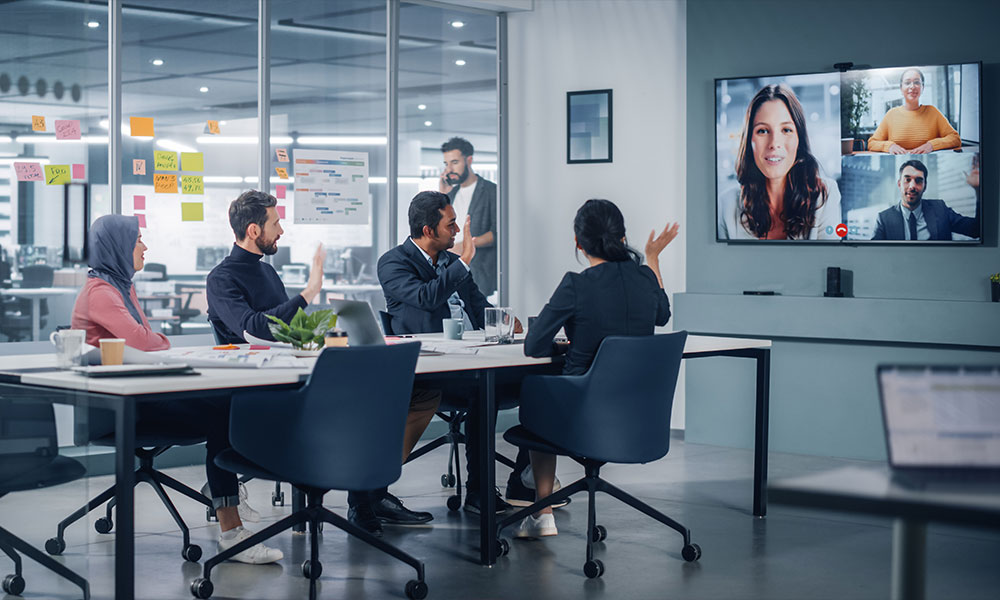
Video meetings have become a normal part of business operations. Employees connect with remote coworkers, clients participate in meetings from different cities, and organizations regularly collaborate with partners across multiple locations. As a result, conference room technology plays a larger role in business communication than ever before.
Unfortunately, many conference rooms were not designed with modern video conferencing in mind. Poor audio, grainy video, unreliable connections, and complicated equipment can create frustration for both employees and guests.
Selecting the right video conferencing equipment helps create a better meeting experience and allows teams to focus on the conversation rather than the technology.
Why Conference Room Technology Matters
A conference room serves many purposes within an organization, including:
- Client meetings
- Employee collaboration
- Board meetings
- Training sessions
- Vendor presentations
- Virtual conferences
When video conferencing equipment does not perform well, communication suffers.
Common complaints include:
- Participants unable to hear clearly
- Poor camera quality
- Echo and audio feedback
- Difficulty sharing presentations
- Delayed meeting starts
The right conference room technology helps eliminate these issues and supports more productive meetings.
Start with the Size of the Room
The best video conferencing system depends largely on the size and layout of the space. A small huddle room requires different equipment than a large boardroom.
Small Meeting Rooms
Typically accommodate:
- Two to six participants
Recommended equipment:
- Compact cameras
- Integrated speakerphones
- Small displays
- Wireless presentation tools
Medium Conference Rooms
Typically accommodate:
- Six to twelve participants
Recommended equipment:
- Dedicated conferencing cameras
- Ceiling or table microphones
- Larger displays
- Enhanced audio systems
Large Boardrooms
Typically accommodate:
- Twelve or more participants
Recommended equipment:
- Multiple microphones
- Professional audio systems
- Advanced camera solutions
- Larger displays or multiple screens
- Integrated control systems
Understanding room size helps determine which equipment will provide the best experience.
Contact us today for a FREE Consultation!
Contact us today for a FREE Consultation!
Cameras Matter More Than Ever
The camera is often the first thing remote participants notice. A poor camera can make meetings feel less professional and make communication more difficult.
When evaluating conference room cameras, consider:
- Video resolution
- Field of view
- Auto-framing capabilities
- Low-light performance
- Speaker tracking features
Modern conferencing cameras can automatically focus on active speakers and adjust framing based on room occupancy, creating a more natural meeting experience.
Audio Quality Is Often More Important Than Video
Many organizations focus heavily on cameras while overlooking audio. In reality, participants are often more forgiving of video quality than poor sound quality.
Conference room audio solutions may include:
- Table microphones
- Ceiling microphones
- Wireless microphones
- Digital signal processing (DSP)
- Integrated speaker systems
Clear audio helps ensure everyone can participate effectively regardless of location.
Displays Play an Important Role
Conference room displays support:
- Video meetings
- Presentations
- Screen sharing
- Training sessions
When selecting displays, consider:
- Display size
- Room viewing distance
- Resolution
- Brightness
- Mounting location
The goal is to ensure everyone in the room can clearly view content and remote participants.
Wireless Presentation Technology Improves Collaboration
Many employees expect to share content quickly and easily. Wireless presentation systems allow users to connect without:
- HDMI adapters
- Extra cables
- Complex configurations
Benefits include:
- Faster meeting starts
- Reduced clutter
- Improved collaboration
- Better user experience
These systems are especially valuable in conference rooms used by multiple teams throughout the day.
Microsoft Teams Rooms
Microsoft Teams has become one of the most widely used business communication platforms. Microsoft Teams Rooms provide a dedicated meeting experience designed specifically for conference rooms.
Benefits include:
- One-touch meeting join
- Integrated cameras and audio
- Calendar integration
- Wireless content sharing
- Consistent user experience
Organizations that rely heavily on Microsoft Teams often find Teams Rooms solutions simplify conference room usage.
Zoom Rooms
Zoom Rooms offer many of the same benefits for organizations that use Zoom as their primary collaboration platform.
Common features include:
- Simplified meeting controls
- Dedicated room scheduling
- Integrated conferencing hardware
- Wireless presentation options
- Support for hybrid meetings
The best choice often depends on which collaboration platform employees use most frequently.
Hybrid Meetings Require Additional Planning
Many businesses now conduct meetings that include both in-person and remote participants.
Hybrid meetings create unique challenges involving:
- Audio coverage
- Camera placement
- Room acoustics
- Display visibility
Proper room design helps ensure remote participants remain fully engaged rather than feeling like observers.
A well-designed hybrid meeting space creates a better experience for everyone involved.
Conference Room Acoustics Matter
Even the best cameras and microphones can struggle in rooms with poor acoustics.
Factors that affect audio quality include:
- Hard surfaces
- Ceiling height
- Room shape
- Background noise
- HVAC systems
Acoustic considerations should be part of every conference room technology project.
Scalability Is Important
Technology needs often change over time. Organizations should consider:
- Future growth
- Additional meeting spaces
- Platform changes
- User expectations
Selecting flexible solutions can help protect technology investments and support future requirements.
Common Conference Room Technology Mistakes
Businesses frequently encounter issues such as:
- Choosing equipment based solely on price
- Underestimating audio requirements
- Selecting displays that are too small
- Ignoring room acoustics
- Failing to plan for hybrid meetings
- Using consumer-grade equipment in commercial environments
A thoughtful design process helps avoid these challenges.
Signs It’s Time to Upgrade Your Conference Room
Organizations often consider upgrades when they experience:
- Poor meeting audio
- Outdated video equipment
- Frequent technical issues
- Difficulty supporting hybrid meetings
- Employee complaints
- Increased use of video conferencing
Technology improvements can often deliver immediate benefits in usability and communication.
How 46Solutions Helps Businesses Improve Conference Room Technology
As an employee-owned member of the Elliot Family of Brands based in Lexington, Kentucky, 46Solutions helps organizations create conference rooms, training spaces, and boardrooms that support effective communication and collaboration.
Our team assists businesses with:
- Video conferencing systems
- Microsoft Teams Rooms installation
- Zoom Rooms installation
- Conference room technology design
- Audio system integration
- Display solutions
- Wireless presentation systems
- Commercial audio/video integration
Because our employees are owners, we approach every project with a commitment to quality, accountability, and long-term client success.
Key Takeaways
The best video conferencing equipment is not simply the newest technology on the market. It is the equipment that fits the size of the room, supports the needs of users, and creates a reliable meeting experience.
Organizations that invest in properly designed conference room technology can improve collaboration, support hybrid work environments, and create a better experience for employees, clients, and guests.
Whether you’re upgrading a small meeting space or designing a large boardroom, selecting the right video conferencing system can help ensure meetings remain productive and professional.